
A massage after Bali hiking can be a comfortable way to slow down after a day of waterfalls, rice terraces, steep steps or long walks in the heat. The best time is usually after you have returned to your accommodation, had water and a light meal, showered, and allowed your body to cool down. Choose a relaxing treatment rather than anything that feels overly intense if you are especially tired, sun-exposed or dehydrated.
Bali nature days often involve more physical effort than travellers expect. Reaching a waterfall may mean hundreds of steps, rice-terrace walks can be uneven and humid, and a sunrise hike can start before dawn. Planning a little recovery time in Seminyak gives your trip a more balanced rhythm: explore inland during the day, then return to the coast for a calm evening.
Quick answer: should you get a massage after hiking in Bali?
Yes, many travellers enjoy a massage after hiking in Bali, especially after they have rested, rehydrated and cooled down. A gentle or moderate-pressure massage may feel soothing for tired feet, calves, shoulders and lower back after walking on uneven ground or carrying a day bag.
However, it is sensible to postpone a massage if you feel unwell from heat, have severe sunburn, have an open cut, have a fresh injury, or are dizzy or significantly dehydrated. In those situations, rest, fluids and appropriate medical advice matter more than a spa appointment. Tell your therapist about tender areas, recent activity and the pressure you prefer.
A practical Bali nature day itinerary with recovery time
Nature experiences in central, northern and eastern Bali can make for a long day from Seminyak. Build your itinerary around the journey as well as the activity itself, particularly if you are visiting more than one viewpoint, temple, waterfall or rice-terrace area.
Morning: start early and pace yourself
For a sunrise trek or a popular waterfall, an early departure can help you avoid some midday heat and crowds. Eat a simple breakfast, carry drinking water, and wear footwear with grip rather than relying on beach sandals. Even a short-looking route can include wet stones, mud, narrow paths or lengthy stairways.
If your day includes a rice terrace such as Tegallalang or Jatiluwih, remember that paths may be sloping, exposed to the sun and more strenuous than a casual sightseeing stroll. Pause often, especially if you have arrived in Bali recently and are still adjusting to the humidity.
Afternoon: return before you are completely exhausted
After a waterfall swim or a hike, change out of damp clothing when possible and have a proper drink and snack. The drive back to Seminyak can be substantial depending on your destination and traffic. Leaving enough time for the journey makes the evening feel far less rushed.
A useful rule is to avoid booking your spa visit for the exact minute you expect to arrive back. Allow time for traffic, a shower and a quiet break at your hotel or villa. You will be more comfortable and better able to enjoy the treatment.
Evening: make recovery part of the experience
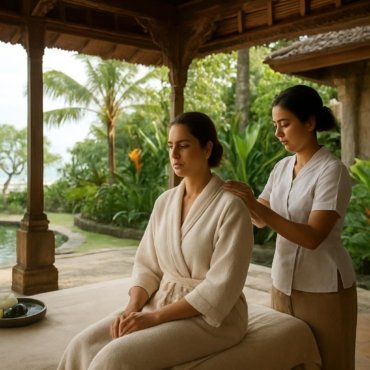
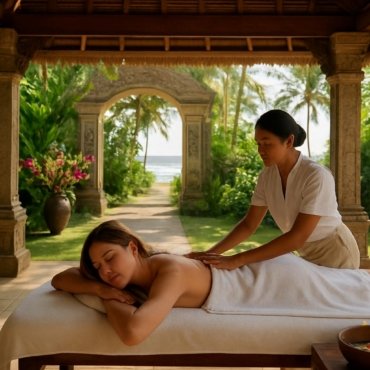
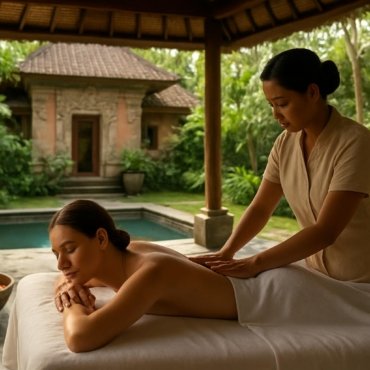
Once you are back in Seminyak, an evening massage or spa treatment can be a pleasant transition from an active day to a relaxed dinner or early night. BALI gift SPA, on Jl. Lebak Sari in Seminyak, is open daily from 10:00 to 21:00, which can suit visitors returning from a day out in Bali’s interior.
For the most comfortable experience, arrive clean and dry, wear loose clothing afterwards, and avoid filling the rest of the evening with another demanding activity. A leisurely meal near Petitenget or an easy walk around Seminyak may be all you need after a full nature day.
Where spa time fits after waterfalls, rice terraces and hikes
The ideal timing depends on what you did and how you feel afterwards. A recovery massage does not need to be immediate to be worthwhile. In fact, a short rest beforehand is often preferable after a hot or strenuous excursion.
After a waterfall visit
Waterfall days can involve slippery trails, climbing steps and carrying towels or swimwear, even when the walk itself is not especially long. After swimming, rinse off properly and make sure you are warm and dry before your treatment. If you have spent a long time in the sun, choose comfort over strong pressure and take extra care with any sun-sensitive skin.
After rice terraces
Rice terraces are among Bali’s most memorable landscapes, but they can work the calves, ankles and feet. Uneven stone paths, inclines and warm weather can leave legs feeling heavy by late afternoon. A calming massage with attention to areas you identify as tired may be a welcome addition to the end of the day.
After a sunrise hike
A sunrise hike often combines early wake-up times, cooler mountain air and a descent that can be harder on knees and legs than the climb. You may prefer to rest at your accommodation first and book spa time later in the afternoon or evening. If you feel unusually sore, have joint pain or think you may have strained something, skip deep pressure and consider seeking medical guidance if needed.
Practical timing for a recovery massage in Bali
Good timing is less about a fixed number of hours and more about being properly recovered from the immediate demands of the day. Before your appointment, take a moment to assess how you feel.
- Hydrate first: Drink water steadily after your activity, especially in hot conditions.
- Cool down: Give your body time to return to a comfortable temperature after hiking or walking in the sun.
- Eat something light: Avoid arriving extremely hungry, but allow time after a heavy meal before lying down for a treatment.
- Shower and change: This is particularly helpful after a waterfall, beach stop or muddy trail.
- Speak up about pressure: Let the therapist know if your feet, calves, shoulders or back feel tender.
- Leave room afterwards: Do not schedule a long drive, surf lesson or another intensive workout immediately after your appointment.
Travellers sometimes assume that stronger pressure is always better after an active day. It is not. A treatment should feel comfortable for you. If you are fatigued from travel, heat and exercise, a slower, gentler approach may be the more enjoyable choice.
Treatment ideas for tired legs, feet and travel-weary shoulders
The right treatment depends on your activity level, your comfort with pressure and the time available in your itinerary. When looking at a Bali spa menu, consider the areas that worked hardest during your day rather than simply choosing the longest option. You can browse the available spa treatments before deciding.
Relaxing full-body massage
A full-body massage can suit travellers who feel generally tired after a long day of sightseeing, driving and walking. It may be especially appealing after a Bali nature day that included several stops rather than one specific hike. Ask for a pressure level that feels restorative rather than demanding.
Traditional Balinese-style massage
Many visitors are interested in Balinese massage as part of their Bali holiday. Techniques and pressure can vary between treatments and practitioners, so it is helpful to communicate clearly about your preferences. If you have been hiking, mention this at the start and point out any areas you would rather be approached lightly.
Foot-focused massage or reflexology
After stairs, rocky paths and long walks, a foot-focused treatment may be a practical choice. It can feel particularly relaxing if your feet are tired from exploring rice fields, markets, temples and Seminyak Beach in the same trip. See the foot massage and reflexology option for a treatment focused on tired feet. Avoid treatment on broken skin, blisters or areas that are painful to touch.
Spa packages for a slower evening
If you have allowed more time after returning to Seminyak, a spa package can turn recovery into a more unhurried part of the evening. Review the available options and choose based on how much time and energy you have, rather than trying to fit too much into one night.
How to prepare for a spa visit after outdoor activities
A little preparation makes a noticeable difference to comfort. Bring your normal essentials back from the excursion, then take time to reset before leaving for the spa.
- Remove wet swimwear and hiking clothes.
- Check for scratches, insect bites, blisters and sunburn.
- Have water available before and after the treatment.
- Avoid drinking excessive alcohol before an appointment.
- Tell the therapist if you are pregnant, have an injury, have a health condition, or have any sensitivity that could affect your comfort.
- Choose loose, comfortable clothes for after your treatment.
It is also worth keeping expectations realistic. Massage is a relaxation and wellness experience, not a substitute for medical assessment. If you have persistent pain, swelling, numbness, a suspected sprain or feel ill after a hike, seek appropriate professional advice.
Making Seminyak your recovery base
Seminyak works well as a base for travellers who want beach time, restaurants and spa visits alongside day trips into Bali’s greener landscapes. You can spend one day around the coast, then plan another for waterfalls, rice terraces or a mountain area without changing hotels repeatedly.
After a long outing, the familiar convenience of Seminyak can be a relief. Rather than trying to squeeze in more sightseeing, give yourself permission to return, shower, eat well and rest. This pacing can make a multi-day Bali itinerary feel more sustainable, particularly if you are combining inland excursions with surfing, beach walks or nightlife.
Why BALI gift SPA may suit your post-adventure evening
If you are staying in Seminyak or nearby Petitenget after a day in Bali’s natural landscapes, BALI gift SPA offers a convenient place to include spa time in your evening plans. The spa is located on Jl. Lebak Sari 21, Badung, Seminyak, and is open daily from 10:00 to 21:00.
Before booking, consider what your body needs most after the day: a full-body massage, attention for tired feet, or a longer spa experience. Reviewing the treatment selection and spa packages in advance can help you choose something that fits your schedule. When you arrive, share that you have been hiking, walking through rice terraces or visiting waterfalls, so your preferences and any sensitive areas are clear.
Frequently asked questions about massage after Bali hiking
Is it okay to have a massage straight after a Bali hike?
It is usually more comfortable to wait until you have cooled down, rehydrated, showered and had a short rest. There is no need to rush directly from the trail to a spa. If you feel dizzy, overheated, unwell or injured, rest first and seek medical advice where appropriate.
What massage pressure is best after walking through rice terraces?
Moderate or gentle pressure is often a sensible starting point after a long, active day, especially if your calves and feet feel tender. Pressure preferences are personal, so communicate with your therapist and ask for adjustments at any time.
Can I book a massage after visiting a Bali waterfall?
Yes, provided you are clean, dry, comfortable and feeling well. Waterfall visits may involve wet trails, swimming and sun exposure, so allow time to shower, hydrate and check for any cuts, blisters or sunburn before booking.
Should I choose a full-body massage or foot massage after hiking?
Choose based on how you feel. A foot-focused treatment can be appealing after lots of walking and stairs, while a full-body massage may suit general fatigue from hiking, driving and sightseeing. You can also ask the spa team which available option best matches your plans.
What should I do if my legs are very sore after hiking in Bali?
Rest, drink water, eat well and avoid pushing through severe discomfort. A gentle massage may feel relaxing for ordinary post-activity tiredness, but it should not be used to ignore sharp pain, swelling, instability or a suspected injury. Seek medical guidance for symptoms that concern you.


Add Comment