
If you are choosing between Lomi Lomi vs Balinese massage, the simplest difference is this: Lomi Lomi is usually known for long, flowing, wave-like strokes, often using the forearms, while traditional Balinese massage tends to feel more structured and targeted, combining massage strokes with kneading, pressure-point work and gentle stretching.
Neither style is automatically better. The right choice depends on what feels good to you, how much pressure you enjoy and what kind of spa experience you want during your time in Bali. Travelers looking for a smooth, enveloping full-body massage may prefer Lomi Lomi. Those who enjoy firmer, more focused bodywork often choose a traditional Balinese massage.
Quick answer: Lomi Lomi vs Balinese massage
Lomi Lomi massage is a Hawaiian-inspired bodywork style with continuous, broad strokes that may be performed with the hands and forearms. Its rhythm is often flowing rather than stop-and-start, creating a soothing, immersive feeling.
Traditional Balinese massage comes from Bali, Indonesia, and commonly combines long strokes, palm pressure, kneading, circular movements, acupressure-inspired techniques and assisted stretches. It can be calming, but it may also feel more focused in areas such as the shoulders, back, legs and feet.
| Feature | Lomi Lomi | Traditional Balinese massage |
|---|---|---|
| Origins | Hawaiian bodywork tradition | Indonesian massage tradition from Bali |
| Overall rhythm | Flowing and continuous | More varied and structured |
| Common techniques | Long hand and forearm strokes | Kneading, pressure, strokes and stretching |
| Typical feel | Gentle, wave-like and enveloping | Grounding, targeted and restorative |
| Pressure | Often light to medium, but adaptable | Often medium to firm, but adaptable |
| May suit | Guests who want a flowing relaxation massage | Guests who enjoy focused work and traditional Bali-style massage |
Every therapist and spa has its own approach, so these are useful general distinctions rather than fixed rules. It is always worth communicating your preferred pressure before a treatment begins.
What does a Lomi Lomi massage feel like?
Lomi Lomi is often described as a massage with a sense of movement. Instead of working on one small area for a long time and then moving on, the therapist may use long strokes that travel across larger areas of the body. Forearm movements are a recognisable part of many Lomi Lomi sessions, helping create broad, even contact.
The treatment can feel rhythmic and unbroken, almost like a sequence of waves. For some people, this makes it easier to switch off mentally because the massage does not feel overly technical or concentrated in one place.
Pressure and pace in Lomi Lomi
Lomi Lomi is not necessarily a light massage. Pressure can range from gentle to quite firm depending on the therapist’s method and the guest’s preference. However, even when the pressure is deeper, it often feels spread across a wider area rather than delivered as a precise point of pressure.
You may enjoy Lomi Lomi if you:
- Prefer long, smooth strokes over detailed spot work.
- Want a massage that feels calming from beginning to end.
- Like the sensation of broad forearm pressure.
- Have been travelling, swimming or walking and simply want to unwind.
- Find frequent pauses or intense pressure-point work distracting.
Because the style can vary, tell your therapist if you prefer lighter pressure, more attention around the upper back, or less pressure around sensitive areas.
What does a traditional Balinese massage feel like?
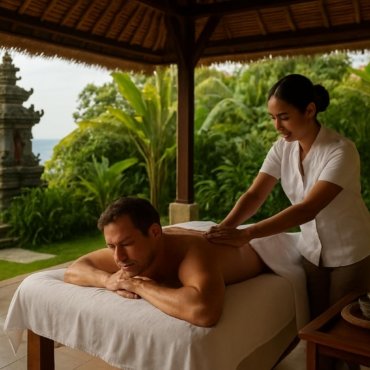
Traditional Balinese massage is one of the signature spa experiences visitors seek in Bali. While individual methods vary, it commonly brings together several techniques in one treatment. A session may move between long gliding strokes, kneading, palm pressure, thumb work and gentle stretches.
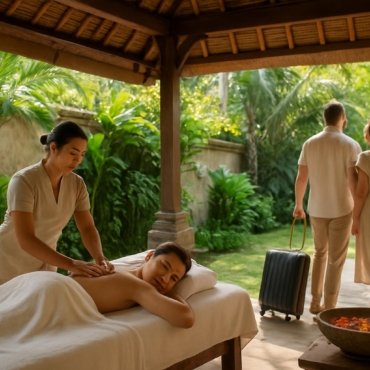
Compared with Lomi Lomi, Balinese massage often feels more varied. One moment may be slow and soothing; the next may focus more directly on tight-feeling shoulders, calves or the lower back. This variety is part of why many travelers choose it after long flights, busy sightseeing days or time spent carrying beach bags and luggage.
Pressure and techniques in Balinese massage
Many people associate Balinese massage with medium or firm pressure, although it should not have to be painful. A skilled massage experience should feel responsive to your comfort level. If the pressure feels too strong, say so early rather than trying to tolerate it.
Common elements may include:
- Effleurage: longer, gliding strokes that help create a relaxed start and finish.
- Kneading: rhythmic compression of larger muscle areas.
- Pressure-point work: more focused pressure that can feel especially noticeable around the back, shoulders and feet.
- Gentle stretching: assisted movements that add a lightly energising element to the massage.
- Massage oil: often used to allow smooth, continuous strokes across the skin.
Traditional Balinese massage is a particularly natural choice if you want a massage that feels connected to your destination. It is also a good option for guests who like the balance of relaxation and more purposeful bodywork.
Lomi Lomi vs Balinese massage: the key differences
1. The movement pattern
Lomi Lomi is generally defined by continuity. The therapist’s strokes often sweep across the body in a flowing pattern, with fewer abrupt changes in pace.
Balinese massage usually has more contrast. The treatment can alternate between broad massage strokes, kneading, pressure and stretching. It may feel more like several complementary massage techniques brought together in one session.
2. The kind of pressure you notice
In Lomi Lomi, pressure is often broad and distributed, particularly when the forearms are used. This can feel deeply comforting for guests who do not enjoy very precise thumb pressure.
In Balinese massage, pressure may be more localised at times. If you carry tension around your neck, upper back or legs, you may appreciate this focused approach. That said, firmer does not mean better for everyone. Choose a level that lets you relax rather than brace against the massage.
3. The emotional atmosphere
Lomi Lomi often appeals to guests seeking a floating, peaceful and almost meditative experience. Its long movements can make the treatment feel especially seamless.
Balinese massage often feels grounded and revitalising as well as relaxing. For many visitors, it is part of the sensory experience of being in Bali: warm oil, unhurried massage techniques and the opportunity to pause between days spent exploring Seminyak, Petitenget or Seminyak Beach.
4. Stretching and focused work
Gentle stretches and more deliberate work are more commonly associated with a traditional Balinese massage. Lomi Lomi can include different movements depending on the practitioner, but flowing strokes are usually the central feature.
How to choose the right massage in Bali
When comparing massage options in Bali, start with the feeling you want after the treatment rather than trying to select the “correct” style.
Choose Lomi Lomi if you want:
- A smooth, continuous massage rhythm.
- Broad, sweeping hand and forearm movements.
- A restful experience with less emphasis on specific tight areas.
- A massage that feels gentle and cocooning, while still allowing for adjusted pressure.
Choose traditional Balinese massage if you want:
- A classic Bali spa experience.
- A mix of massage strokes, kneading, pressure and stretching.
- More attention to particular areas that feel tired from travel or activity.
- A medium or firm massage, adjusted to your comfort.
Consider a different option if needed
Some travelers prefer a foot massage or reflexology-style treatment after a day on their feet around Seminyak. Others may be looking for a longer spa package that combines massage with additional relaxation-focused treatments. If you are unsure, explain how you have been spending your holiday and what pressure you normally enjoy. A spa team can help you compare the current treatment options.
If you have an injury, are pregnant, have a medical condition, or have recently had surgery, seek appropriate medical advice where needed and let the spa know before booking. A massage should always be adapted with your comfort and safety in mind.
Practical tips before your Seminyak massage
A little communication can make a meaningful difference to your treatment, especially if you are trying a new massage style for the first time.
- State your pressure preference clearly. “Light,” “medium” and “firm” can mean different things to different people, so speak up if you would like an adjustment.
- Mention sensitive areas. Tell your therapist about areas you would prefer them to avoid or approach gently.
- Do not book immediately after a heavy meal. Give yourself time to feel comfortable before lying down for a massage.
- Allow time afterwards. Avoid planning a rushed activity straight after your appointment if possible. A slow walk, a shower or a quiet meal can be a pleasant way to continue the relaxed feeling.
- Choose the timing that suits your itinerary. A late-afternoon massage can be a welcome break after the beach, while an evening appointment may be a calm finish to a day in Bali.
At BALI gift SPA on Jl. Lebak Sari in Seminyak, treatments are available daily from 10:00 to 21:00. For guests planning around dinner reservations, beach time or a visit to nearby Petitenget, checking the current treatment menu and booking availability in advance can make the day easier.
A Balinese massage at BALI gift SPA
For travelers who want to experience a traditional Bali massage while staying in Seminyak, BALI gift SPA is a convenient place to explore the current massage and spa treatment menu. A traditional Balinese massage can be particularly appealing after a flight, a long day of shopping, or an afternoon around Seminyak Beach.
If you are deciding between a focused massage and a more extended spa visit, review the available spa packages as well. Packages can be useful when you want to set aside more time for relaxation rather than fitting in a single treatment between plans.
When booking, mention that you are looking for a Balinese-style experience and share your preferred pressure. This simple conversation helps the treatment feel more personal without requiring you to know every massage technique in advance. For additional preparation, see this first-timer’s guide to Balinese massage in Seminyak.
FAQ: Lomi Lomi vs Balinese massage
Is Lomi Lomi or Balinese massage stronger?
Traditional Balinese massage is often perceived as stronger because it may include more focused pressure, kneading and stretching. However, both styles can be adapted. Lomi Lomi can be firm, and Balinese massage can be gentle, so communicate your comfort level before the treatment starts.
Which massage is better for relaxing on holiday?
Both can be relaxing. Choose Lomi Lomi if you enjoy a flowing, continuous rhythm. Choose Balinese massage if you find relaxation in a combination of soothing strokes and more targeted work. Your personal preference matters more than the label.
Is traditional Balinese massage painful?
It should not feel painfully intense. Some focused pressure can feel strong, particularly in areas that are tired or tight, but you should be able to relax and breathe comfortably. Ask for lighter pressure at any point if needed.
Should I choose a Balinese massage in Seminyak?
A Balinese massage is a fitting choice if you want a spa experience that reflects your time in Bali. It can be especially enjoyable after travelling, walking around Seminyak, spending time at the beach or simply when you want a slower afternoon during your holiday.
What should I tell my therapist before the massage?
Share your preferred pressure, any areas that feel sensitive, and any health considerations relevant to the treatment. You can also say whether you want extra attention on areas such as your shoulders, back, legs or feet. Clear, simple feedback helps create a more comfortable experience.
The takeaway
The Lomi Lomi vs Balinese massage decision comes down to rhythm and focus. Lomi Lomi is usually smoother, broader and more flowing. Traditional Balinese massage is generally more varied, combining relaxing strokes with kneading, pressure and gentle stretching.
If you are visiting Seminyak and want a classic local spa experience, a Balinese massage is often the natural place to start. If you prefer an unbroken, wave-like massage style, Lomi Lomi may be more your pace. In either case, choosing a comfortable pressure and allowing yourself time to slow down are the most important parts of the experience.

Add Comment