
If you are planning your first Balinese massage, the most useful thing you can do is speak openly with the spa before the treatment begins. Ask about the massage style, pressure, areas to avoid, clothing and draping, and any health concerns that may affect your comfort. A good massage should feel tailored to you—not like something you simply have to endure.
For many visitors, a Bali spa first time is part of a holiday in Seminyak: perhaps after a flight, a day at Seminyak Beach, or an afternoon exploring nearby Petitenget. Taking two minutes to ask the right massage questions can make the experience feel calmer, clearer and more enjoyable. For additional preparation advice, see this first-timer’s guide to Balinese massage in Seminyak.
Quick answer: what should you ask before a Balinese massage?
Before your massage starts, tell the therapist or spa team:
- how much pressure you prefer: light, medium or firm;
- which areas feel tired, sensitive or uncomfortable;
- which areas you would prefer not to have massaged;
- if you have an injury, skin sensitivity, recent surgery, pregnancy or another health consideration;
- if this is your first professional massage or your first time in Bali;
- if you would like the therapist to check in about pressure during the session.
You can also ask what the treatment includes, how you will be covered during the massage, and what to wear. These are normal questions. Clear communication helps both you and the therapist create a comfortable experience.
What to expect from your first Balinese massage
Balinese massage is a broad term for massage styles associated with Bali and Indonesia. Depending on the spa and treatment selected, it may include flowing strokes, kneading, gentle stretching, work on particular muscle areas, and the use of massage oil or lotion. The exact technique and intensity can vary, so it is always worth asking how a particular treatment is approached.
Many travellers choose this type of massage because it can feel deeply relaxing after long flights, walking, swimming or sightseeing. However, relaxation does not require very strong pressure. If firm massage is not enjoyable for you, say so at the start. Light or medium pressure is a perfectly reasonable preference, especially for a first visit.
A massage should not feel like a test of endurance
Some people assume that a massage must be painful to be effective. That is not a useful rule. Deep work can occasionally feel intense, particularly around tight muscles, but sharp pain, pinching, numbness or a feeling that makes you tense up should be communicated immediately.
A simple phrase is enough: “Could you please use less pressure?” You can also say, “That area is tender—could we avoid it?” A professional therapist needs that feedback in order to adapt the session.
What happens before and during the treatment
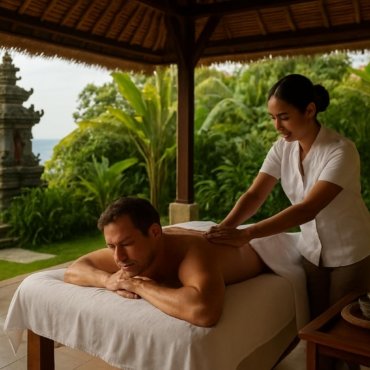
Procedures vary between spas, but you will generally be shown to a treatment room and given instructions about changing and getting comfortable. The therapist should explain anything you need to know before beginning. During the massage, you should be appropriately covered with a towel or sheet, with only the area being worked on uncovered.
If you are unsure about any part of the process, ask before the treatment starts. You may ask about privacy, draping, massage oil, room temperature, music, or whether you can pause the treatment. There is no need to feel embarrassed: first-time questions are common.
Essential massage questions to ask at a Bali spa
1. What type of massage is this, and how strong is it usually?
Not every treatment described as a Balinese massage will feel the same. Ask the spa to explain the general style and whether it is usually light, medium or firm. If you enjoy a gentler, calming treatment, mention that. If you regularly receive firm massage and prefer more focused work, you can say that too.
Rather than asking for “strong” pressure by default, be specific about what feels right for your body. Pressure is personal: a level that feels pleasant to one guest may be too intense for another.
2. Can I ask the therapist to adjust the pressure?
The answer should be yes. Confirm that you can speak up during the session if the pressure is too light, too firm, or uncomfortable. It is easier to make a small adjustment early than to spend the rest of the massage wishing you had said something.
Useful phrases include:
- “A little softer, please.”
- “A little more pressure on my shoulders, please.”
- “Could you avoid my lower back?”
- “That feels uncomfortable—please stop in that area.”
- “Could you check in with me about the pressure?”
3. Are there areas I can ask you to focus on or avoid?
Yes. Before your first Balinese massage, briefly mention the areas that feel especially tired, such as your feet after walking around Bali, your shoulders after travelling, or your calves after exercise. Equally important, identify areas you do not want massaged.
Do not assume the therapist can tell what is sore, sensitive or off-limits. A short explanation is usually more helpful than a detailed story: “My neck is sensitive today,” or “I have a sore ankle, so please avoid that side.”
4. What should I mention about my health?
Tell the spa before the treatment if you are pregnant, have had recent surgery, have an injury, a skin condition, allergies, circulatory concerns, or any medical issue that could affect massage safety or comfort. If you are unsure whether massage is suitable for your situation, seek advice from an appropriate healthcare professional before booking.
Massage is a wellness experience, not a substitute for medical diagnosis or treatment. Being honest about your circumstances helps the spa recommend an appropriate option or suggest that you postpone.
5. What do I wear, and how does draping work?
You can ask this directly when booking or on arrival. Massage arrangements vary by treatment and spa, but guests are normally given privacy to change and are covered during the session. Only the part of the body being massaged should be uncovered.
Wear whatever makes arriving and leaving easy, especially if you are coming straight from the beach or heading out to dinner afterward. If anything about the changing arrangements or covering makes you uncomfortable, raise it before the massage begins.
6. Is oil used, and can I mention sensitivities?
Many massage treatments use oil or lotion to allow smooth movement over the skin. If you have sensitive skin, an allergy, a fragrance preference, or simply do not want oil in your hair, mention it in advance. Ask what is used and whether the spa can note your preference.
How to choose a massage when it is your first time in Bali
With so many massage options in Seminyak, choosing can feel harder than the treatment itself. Start with how you want to feel afterward rather than choosing a name that sounds impressive. You can browse the spa’s available treatments to compare suitable options.
- For general holiday relaxation: choose a massage described as calming or balanced, and request light-to-medium pressure.
- For tired feet after sightseeing: ask whether a foot massage or reflexology-focused service would suit your plans.
- For shoulders and back after travel: tell the spa where you feel tension, while making clear that you still want a comfortable pressure level.
- For a longer, slower spa visit: ask about spa packages and what each component involves before deciding.
If you do not know what to book, it is fine to say: “This is my first massage in Bali. I would like something relaxing, not too strong.” That gives the team a practical starting point.
Do not choose purely by the longest treatment
A longer appointment is not automatically a better first experience. If you are new to massage, a session that feels comfortable and well matched to your preferences may be more enjoyable than committing to a lengthy treatment you are uncertain about. Consider your energy level, schedule, sun exposure and how your body feels that day.
Practical tips before your appointment in Seminyak
Arrive with enough time to settle in
Try not to rush from traffic, shopping or the beach directly onto the massage table. Arriving a little early gives you time to ask questions, use the bathroom, drink some water and explain your preferences without feeling hurried.
Avoid arriving overly full or dehydrated
A very heavy meal immediately before massage can make it harder to relax. Similarly, Bali’s warm weather and a day outdoors can leave you feeling dehydrated. Drink water as you normally would, and give yourself a little time after a large meal if possible.
Be honest about sunburn and skin irritation
After time at Seminyak Beach or by the pool, check for sunburn. Massage over sunburned, irritated or broken skin may be unpleasant and may not be appropriate. Let the spa know before the treatment so they can advise you.
Plan a gentle hour afterward if you can
You do not need to build your whole day around a massage, but it can be nice to leave some breathing room afterward. Many guests prefer a shower, a relaxed meal, a quiet walk, or simply time to enjoy the slower pace of a Bali evening. If you have a high-energy activity booked immediately after, choose a treatment intensity that leaves you feeling comfortable.
Etiquette: what first-time visitors need to know
Massage etiquette in Bali is generally straightforward. Be respectful, communicate clearly and remember that your comfort matters.
- Arrive on time and let the spa know if you are delayed.
- State your pressure preference before the treatment and repeat it during the massage if needed.
- Keep your phone silent so you and other guests can relax.
- Speak up if you need to change position, feel cold, need a break or feel uncomfortable.
- Check the spa’s current payment and gratuity practices directly if you have questions about tipping.
There is no need to learn special terminology. Plain English is usually the clearest way to communicate what you need.
When a BALI gift SPA treatment may suit your plans
If you are staying in or visiting Seminyak and would like a calm introduction to Bali spa treatments, BALI gift SPA can be a convenient place to begin the conversation. The spa is located on Jl. Lebak Sari in Seminyak, and is open daily from 10:00 to 21:00.
When considering a massage treatment or spa package, let the team know that it is your first time and describe the experience you would like: gentle relaxation, attention to tired feet, or a balanced massage after travelling. Asking about the available treatment options, inclusions and pressure preferences before booking will help you choose with confidence.
For visitors fitting wellness into a day around Seminyak, Petitenget or the beach, a clear conversation before the session is often the simplest way to make the experience feel personal rather than rushed.
Frequently asked questions about a first Balinese massage
Is Balinese massage painful?
It should not be painful. Some techniques may feel firm or intense in tight areas, but sharp pain or discomfort is a reason to ask for lighter pressure or to avoid that area. Tell the therapist immediately rather than waiting until the end.
What should I say at my first Bali spa visit?
Tell the spa that it is your first massage in Bali, your preferred pressure level, any sore or sensitive areas, and any health or skin concerns. You can also ask the therapist to check in about pressure during the treatment.
Should I have a massage after a long flight to Bali?
Many travellers enjoy a gentle massage after flying, particularly once they have rested, eaten lightly and had water. If you feel unwell, extremely fatigued or have a health concern related to travel, it is sensible to postpone and seek appropriate advice if needed.
Can I ask for a female or male therapist?
You can ask the spa about current therapist preferences and availability when booking. If this is important to your comfort, mention it as early as possible rather than assuming a particular arrangement will be available.
What should I do if I feel uncomfortable during the massage?
Say so straight away. You can request less pressure, ask the therapist to avoid an area, ask for another towel or adjustment, pause the treatment, or stop it. Your comfort and consent should guide the experience throughout.
A simple rule for a better first massage
Your first Balinese massage does not require expert knowledge—just clear communication. Choose a treatment that matches how you want to feel, explain your preferences before it begins, and speak up whenever something does not feel right. That approach will help you enjoy a more comfortable, considered spa experience during your time in Bali.

Add Comment