
A Balinese boreh spa treatment is a traditional Bali body ritual that uses a fragrant paste made from herbs, roots and spices. The paste is usually applied to the body for a short time before being removed, and it is known for its warming, aromatic sensation rather than for exfoliation alone.
Travelers may see boreh listed on a Bali spa menu as a body mask, body wrap, herbal paste or warming treatment. Recipes and treatment styles vary between spas, so it is worth asking what ingredients are used and how the boreh will be applied before you book. You can also review the current treatment menu to compare available spa options.
What does boreh mean in Bali?
Boreh (sometimes written as boreh Bali) refers to a traditional Balinese paste prepared from ground natural ingredients. Depending on the family recipe, village tradition or spa interpretation, it may include warming spices and botanicals such as ginger, turmeric, galangal, cloves, cinnamon, pepper, rice or other local herbs.
There is no single fixed boreh recipe. This is an important point for visitors reading a spa menu: one boreh treatment may smell and feel quite different from another. Some preparations are more gently aromatic, while others can create a noticeably warm or tingling sensation on the skin.
In a spa setting, boreh is generally applied as a body paste or mask. It may be part of a longer ritual that includes a massage, a bath, a shower or a body moisturising step. The experience is often chosen by guests who are curious about Bali spa culture and would like to try a preparation with a stronger traditional character than a standard body polish.
Traditional context: boreh in Balinese wellness culture
Boreh has long been part of Balinese home and community traditions. It is commonly associated with warmth and comfort, particularly after physical work, exposure to cool rain or wind, or periods when someone wants to feel cosy and cared for. Traditional uses are cultural practices, rather than a substitute for medical advice or treatment.
In Bali, many wellness traditions are closely connected to everyday life. Ingredients are valued not only for how they feel on the skin, but also for their scent, availability and place in local household knowledge. A traditional Balinese body paste can therefore tell a small but meaningful story about the island’s relationship with plants, spices and ritual care.
Modern spas may adapt boreh for visitor comfort and hygiene. The paste may be prepared in a lighter texture, used on selected areas of the body or combined with other familiar spa steps. These adaptations do not necessarily make it less enjoyable; they simply mean that a spa boreh experience may not be identical to a preparation made at home.
Why does boreh feel warm?
Many boreh blends contain spices traditionally associated with a warming sensation, including ginger, pepper or clove. When applied to the skin, these ingredients can feel gently warm, aromatic or stimulating. The intensity depends on the recipe, the amount used, how long it remains on the body and an individual’s skin sensitivity.
For some guests, that warmth is the main appeal. For others, especially those with sensitive skin or who prefer a cooling treatment after time at Seminyak Beach, a gentler body treatment may be more comfortable.
How boreh may appear on a Bali spa menu
A boreh treatment in Bali can be presented in several ways. Menu wording is not always consistent, so do not assume that every item with the word “boreh” follows the same sequence.
You may see it described as:
- Boreh body mask or body paste: a spice-and-herb blend applied to the body, left briefly, then rinsed or removed.
- Warming body wrap: boreh is applied before the body is covered or allowed to rest, creating a more enveloping experience.
- Boreh massage ritual: a massage paired with a boreh application as one part of a longer spa treatment.
- Traditional Balinese ritual: a package that may include boreh alongside a scrub, bath or massage.
Because the names can overlap, asking a few simple questions will give you a clearer idea of what you are booking. This is especially helpful if you are comparing treatments in Seminyak, Petitenget or other parts of Bali where menus may use traditional terms differently.
What happens during a boreh treatment?
The exact order depends on the spa, but a typical boreh treatment begins with a consultation or brief check-in about your comfort and skin concerns. The therapist then applies the paste to the body or selected areas, usually avoiding the face and any irritated skin.
The boreh may remain on the skin while you rest. Some rituals include a light massage before the paste is applied; others place massage after the boreh has been rinsed away. Once the treatment is complete, you may shower or have the paste removed with warm towels. A moisturiser or body oil may be used afterwards, depending on the treatment design.
The sensation should be discussed openly. If the paste feels too hot, prickly or uncomfortable at any point, let your therapist know straight away. A good spa experience should feel considered and relaxing, not something you have to endure.
Questions to ask before choosing a boreh treatment Bali
Boreh can be a memorable part of a Bali spa visit, but it is not the right choice for every person or every day of a holiday. Ask these questions before choosing a treatment:
- What are the main ingredients in this boreh blend?
- Will it feel warming, cooling or neutral on the skin?
- Is this treatment mainly a body mask, a scrub, a wrap or part of a massage ritual?
- How long will the paste stay on my skin?
- Is it suitable for sensitive skin, sun-exposed skin or known allergies?
- Can the therapist avoid a particular area if I have irritation, insect bites or a minor skin concern?
If you have allergies, very sensitive skin, eczema, broken skin, a recent sunburn or another health concern, tell the spa before treatment. It may be sensible to choose a gentler option, postpone your appointment or seek appropriate medical guidance where needed. Natural ingredients can still cause irritation in some people.
Timing it around beach days
Many visitors spend the day swimming, walking or relaxing near Seminyak Beach before heading to a spa. If your skin is sunburnt, a warming spice paste is usually not the most comfortable choice. Consider booking boreh on a day when your skin is calm, or ask about a more soothing treatment after a long day outdoors.
It can also be helpful to avoid applying strong perfume immediately afterwards, particularly if your skin feels warm or sensitised. Loose, comfortable clothing is a practical choice after any body treatment.
How boreh differs from a body scrub
Boreh and body scrubs are sometimes grouped together because both are applied to the skin, but they have different purposes and textures.
| Feature | Balinese boreh | Body scrub |
|---|---|---|
| Main character | Aromatic herbal and spice paste | Exfoliating product with fine grains or particles |
| Typical sensation | Often warming, fragrant and mask-like | Polishing, smoothing and gently abrasive |
| Primary spa role | Resting with a traditional body preparation on the skin | Removing surface dullness through exfoliation |
| Ingredients | Varies widely; may include spices, roots and herbs | Often includes rice, salt, sugar, coffee or other exfoliants |
| Best question to ask | How warm or active is the blend? | How firm or gentle is the exfoliation? |
A boreh paste may contain textured ingredients, but it is not automatically a scrub. Conversely, a scrub may contain spices or fragrant botanicals without being a traditional boreh preparation. If your main aim is smoother-feeling skin, a dedicated Lulur Body Scrub in Bali may be the clearer match. Lulur is another well-known Indonesian body ritual, often associated with a creamy exfoliating paste and a softer, polishing finish.
If you are more interested in a warm, aromatic traditional experience, boreh may be the more suitable choice. Your preference can also depend on the weather, your skin condition and whether you would like massage included.
Boreh and traditional Balinese massage
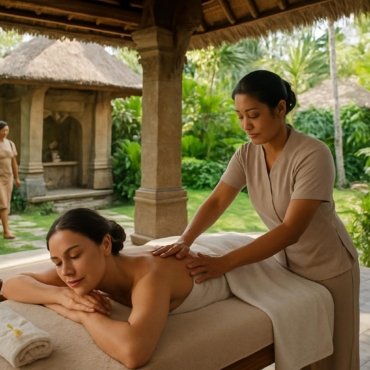
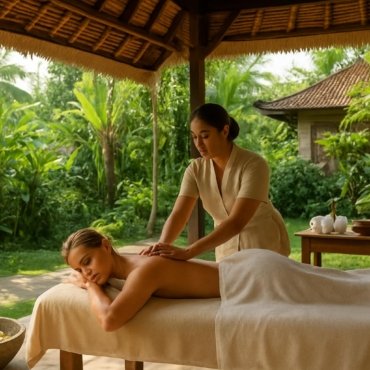
Boreh is a body preparation, while massage is a hands-on technique. They can appear in the same treatment, but they are not interchangeable. A Traditional Balinese Massage generally uses flowing strokes, pressure and stretching techniques tailored to the spa’s approach and your stated comfort level. Boreh may be added before or after massage to create a more ritual-focused experience.
If you mainly want help unwinding after travel, sightseeing or time on your feet, a massage may be the simplest choice. If you are curious about traditional ingredients and enjoy spice-forward aromas, ask whether boreh can be included in an appropriate treatment. Reading the treatment sequence carefully matters; How to Read a Bali Spa Menu can help you understand terms such as scrub, mask, wrap, bath and massage before you reserve.
Choosing the right traditional treatment for your trip
Bali has a rich range of spa traditions, and the best choice is usually the one that suits how you feel that day. Choose boreh if you are interested in a distinctly Balinese herbal preparation and are comfortable with a potentially warming sensation. Choose a lulur-style scrub if exfoliation is your priority. Choose massage if you would rather focus on touch, pressure and relaxation without a body paste.
For travelers staying in Seminyak or visiting from nearby Petitenget, it is perfectly reasonable to ask a spa team for guidance instead of trying to decode every traditional term alone. Mention any sun exposure, skin sensitivity, fragrance preferences and whether you are hoping for a massage, exfoliation or a more cultural spa ritual.
A considered spa visit at BALI gift SPA
At BALI gift SPA in Seminyak, guests can speak with the team about the current treatment menu and which option best suits their preferences. If boreh has caught your attention, ask about the ingredients, sensation and treatment steps before booking. If a warming body paste does not feel right for you, a massage or body-care treatment may be a more comfortable way to enjoy a relaxed Bali spa session.
BALI gift SPA is located at Jl. Lebak Sari 21, Badung, Seminyak, Bali 80361, Indonesia, and is open daily from 10:00 to 21:00. Checking treatment details in advance helps you make a choice that fits naturally around your Seminyak plans.
Frequently asked questions about Balinese boreh
Is Balinese boreh a scrub?
Not necessarily. Boreh is traditionally a herbal and spice body paste, often used for its aromatic and warming qualities. Some versions may have texture, but a dedicated body scrub is designed primarily for exfoliation.
Does boreh feel hot on the skin?
It can feel warm or tingly, especially when the blend includes ingredients such as ginger, pepper or clove. The strength varies by recipe and skin sensitivity, so ask the spa what to expect and tell your therapist if the sensation is uncomfortable.
Can I have a boreh treatment after sunbathing?
It is generally better to avoid warming, spice-based body treatments on sunburnt or irritated skin. Tell the spa if you have spent time in the sun, and consider a gentler option if your skin feels tender.
What is the difference between boreh and lulur?
Boreh is typically a warming herbal-and-spice paste, while lulur is usually an Indonesian exfoliating body scrub. Both may be part of a traditional-inspired spa ritual, but their texture and purpose are different.
Should I tell the spa about allergies or sensitive skin?
Yes. Tell the spa before your treatment about allergies, sensitive skin, recent sunburn, irritated areas or ingredients you prefer to avoid. This helps the team advise whether boreh is suitable for you.
Add Comment