
A Balinese flower bath is a warm bath prepared with fresh flower petals, usually as part of a relaxing spa experience in Bali. It is designed as a quiet, unhurried moment rather than a treatment focused on deep physical work: you soak in the water, enjoy the scent and colour of the flowers, and take time to rest after a massage, body scrub or other spa service.
For many visitors, a flower bath Bali experience is one of the most recognisable images of a Bali holiday. However, there is no single standard format. The flowers used, water temperature, bath setting and treatment sequence can differ from one spa to another. If a flower bath is important to your plans, it is always worth confirming the details directly before booking.
What is a Balinese flower bath?
A Balinese flower bath is a spa bath decorated with floating fresh petals and, sometimes, flowers arranged in patterns on the water’s surface. It may be offered on its own or included as one stage of a longer spa ritual.
The experience is commonly associated with Bali’s spa culture because it combines sensory details that many travellers enjoy: warm water, natural floral fragrance, a private pause in the day and a visually memorable setting. It is especially popular with couples, honeymooners, friends travelling together and solo visitors who would like a slower spa experience.
It is helpful to distinguish a flower bath from a traditional ceremonial practice. Balinese Hindu culture has rich and meaningful traditions involving flowers and water, but a flower bath at a visitor spa is generally a contemporary wellness experience. It may draw inspiration from local aesthetics and ingredients, yet it should not automatically be described as a religious ritual.
What a flower bath Bali experience may include
Each spa creates its own version of a flower bath, so the exact experience varies. In general, you may find that the bath is prepared after another treatment, allowing you to relax before changing and leaving the spa.
Fresh flower petals
Petals are the defining feature of the bath. Depending on the season, spa concept and local supply, these may include colourful tropical flowers or other fresh blooms. Some baths use petals simply scattered across the water, while others create a more decorative design.
If you have a sensitivity to fragrance, pollen or particular plants, mention it when you book. A spa may be able to explain what it uses or advise whether the experience is suitable for you.
Warm water and a quiet soak
The bath is typically warm rather than hot, intended to feel comfortable after a massage or body treatment. The soak itself is usually a time to rest, hydrate and enjoy the atmosphere. It is not necessary to have a particular wellness goal; many people simply choose it as a calming part of a holiday afternoon or evening.
Optional spa additions
Some flower-bath experiences may include bath salts, herbs, essential oils, tea or light refreshments. These details are not universal, so do not assume they are included in every booking. Ask what is part of the service, especially if you are comparing different spa menus in Seminyak or Petitenget.
A treatment sequence before the bath
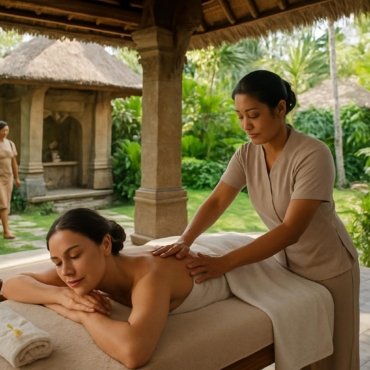
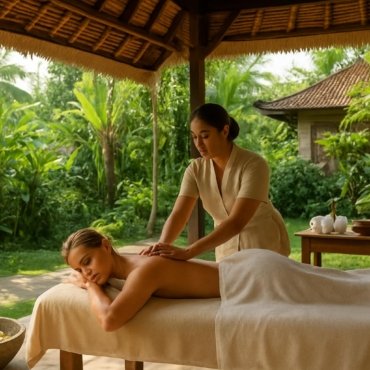
A flower bath is often paired with a massage or body ritual. For example, a guest may enjoy a Balinese-style massage first, then move on to a body scrub and finish with a bath. This order can feel particularly relaxing because the bath offers time to settle after the hands-on part of the appointment. If you are considering the massage portion, this guide to Balinese massage in Seminyak explains what first-time visitors can expect.
If you are interested in exfoliation before your soak, it can be useful to read about a Lulur Body Scrub in Bali. Lulur is a body-scrub tradition often associated with Indonesian spa rituals, but the ingredients, method and sequence can vary between providers.
Why travellers choose a Balinese flower bath
A flower bath is not essential to a Bali spa visit, but it appeals to travellers looking for more than a quick massage. It adds a visual and restorative pause to the experience, particularly when your itinerary has been full of beach time, shopping, dining and sightseeing.
Common reasons people choose one include:
- They want a memorable Bali spa experience beyond massage alone.
- They are celebrating a honeymoon, anniversary, birthday or special trip.
- They would like a gentle way to slow down after travelling or exploring.
- They are booking a longer spa ritual and enjoy the idea of ending with a soak.
- They want time away from the heat, traffic and busy energy of popular areas such as Seminyak Beach.
While the experience can feel soothing and deeply relaxing, it should be viewed as personal comfort and leisure rather than medical treatment. If you have a health condition, are pregnant, have recently had surgery or are concerned about heat exposure, seek appropriate medical advice and discuss any concerns with the spa before booking.
When to schedule a flower bath during your Bali trip
There is no wrong day for a spa bath in Seminyak, but timing can make the experience more enjoyable.
After arrival, once you have settled in
Many visitors like to book a massage and flower bath after their first night or two in Bali. This gives them time to recover from a long flight, adjust to the climate and settle into their accommodation. Booking immediately after a late arrival may be less appealing if you are exhausted or dehydrated.
On a slower beach day
A late afternoon spa appointment can work well after a morning at Seminyak Beach or a relaxed lunch around Petitenget. You can then head to dinner feeling refreshed, without needing to rush to another activity.
Near the end of your holiday
Some travellers save a longer spa ritual for the final days of their trip. It can be a pleasant way to reflect on the holiday and take a break before packing, airport planning and the journey home.
Before a special dinner or celebration
If you are booking before an event, leave enough time to shower, get ready and travel to your reservation without feeling rushed. Ask the spa how the appointment is structured and allow extra time afterwards, particularly if the flower bath is part of a multi-step experience.
What to ask when booking a flower bath
Photos can make flower baths look similar, but inclusions and facilities differ. A few clear questions will help you book with confidence and avoid disappointment.
- Is a flower bath currently available, and is it a standalone service or part of a package?
- What treatments, if any, are included before the bath?
- How much total time should I allow for the complete appointment?
- Are fresh petals used, and can you accommodate fragrance or ingredient sensitivities?
- Is the bath for one person or designed for two people?
- What should I bring, and what will be provided?
- Is advance booking recommended for my preferred date and time?
If you are comparing options, a Bali Spa Menu Guide can also help you understand common terms such as body scrub, cream bath, reflexology, traditional massage and spa package. This makes it easier to choose a treatment based on what you genuinely want, rather than booking solely because a photograph looks appealing. You can also browse the spa’s treatment options to compare the services available.
Practical preparation for a flower bath
A little preparation helps you enjoy the experience comfortably. In Bali’s warm, humid weather, arrive hydrated and avoid scheduling a hot bath immediately after prolonged sun exposure if you feel overheated.
Before your appointment
- Arrive a little early so you can check in without rushing.
- Tell the therapist or reception team about allergies, sensitive skin, pregnancy or any relevant health concerns.
- Avoid having a very heavy meal immediately beforehand.
- Do not book a body scrub over freshly sunburnt or irritated skin.
- Bring your swimwear only if the spa requests it; practices vary between spas.
During the bath
Use the soak as a chance to slow down. You do not need to remain in the water longer than feels comfortable. If the water feels too warm, a scent is too strong or you need assistance, let the staff know promptly.
Afterwards
Drink water, take your time getting ready and avoid rushing straight into intense activity. If you have had a scrub, your skin may feel especially smooth, so use gentle aftercare and avoid further exfoliation that day. If you plan to go outdoors, remember that Bali’s sun can be strong and use suitable sun protection.
Flower bath, massage, lulur or body mask: what is the difference?
These services can appear together on a spa menu, but they serve different purposes.
- Flower bath: A warm soak decorated with petals, focused mainly on relaxation and atmosphere.
- Massage: Hands-on bodywork that may use oil, pressure and stretching techniques, depending on the massage style.
- Lulur body scrub: An exfoliating body treatment, traditionally associated with Indonesian beauty rituals.
- Body mask: A product applied to the skin and left on briefly before removal; ingredients and intended feel vary.
A spa may combine several of these in one appointment, but they are not automatically included together. Ask for the order of treatments and full inclusions before confirming your booking.
Finding the right spa atmosphere in Seminyak
For a flower bath, the setting can matter as much as the petals. Think about the kind of experience you prefer: a simple, quiet treatment after a massage; a longer ritual for a special occasion; or a practical spa stop between plans in Seminyak.
It is useful to consider privacy, the pace of the appointment, the treatment menu and how easy the spa is to reach from your accommodation. Reading about Bali Spa Atmosphere Explained can help you identify the type of environment that suits your travel style, whether you prefer calm and understated or a more celebratory spa occasion.
A flower-bath experience at BALI gift SPA
BALI gift SPA is located on Jl. Lebak Sari 21 in Seminyak, Bali, and is open daily from 10:00 to 21:00. For travellers staying in Seminyak or visiting nearby Petitenget, a spa appointment can be an easy addition to a relaxed day in the area.
If you would like a Balinese flower bath as part of your visit, contact BALI gift SPA directly before booking to confirm the current menu, availability and treatment inclusions. This is especially important if you are planning a couple’s experience, celebrating a special occasion or hoping to combine a bath with massage, body care or another spa service.
Choosing a treatment based on your time, comfort and preferred pace will usually lead to a better experience than selecting a package by name alone. The team can help clarify current options so you can decide what fits your day in Seminyak. For visitors considering a longer multi-treatment visit, the Bali spa packages page may help with comparing package-style experiences.
Frequently asked questions about Balinese flower baths
Is a Balinese flower bath a traditional Balinese ceremony?
Not necessarily. Bali has important cultural and religious traditions involving flowers and water, but a flower bath at a spa is generally a modern wellness experience. It may use local visual inspiration without being a religious ceremony.
Do I need to book a flower bath in advance in Bali?
Advance booking is a good idea, particularly during busy travel periods, for couples, or if you have a specific date and time in mind. Always confirm that the flower bath is currently available and ask what is included.
Can I have a flower bath after a massage?
Yes, this is a common sequence at many spas. A bath after a massage can feel like a relaxed finish to the appointment. However, treatment order varies, so check the spa’s current menu and recommendations.
What should I wear for a flower bath?
Policies vary by spa and by the level of privacy in the bath area. Ask when booking whether swimwear is needed or whether the spa provides a wrap or other appropriate attire.
Is a flower bath suitable for sensitive skin?
It depends on the ingredients used and your individual sensitivities. Tell the spa about allergies or sensitive skin before booking, ask about flowers, oils and bath products, and avoid the treatment if you are unsure about a possible reaction.
Add Comment