
If you are deciding between hot stone vs Balinese massage, the simple answer is this: choose a hot stone massage if you want sustained warmth and a slower, deeply soothing session; choose a Balinese massage if you prefer a more varied traditional massage style with flowing strokes, focused pressure and techniques that can be adapted to how your body feels.
Both can be a lovely addition to a Bali holiday, especially after a long flight, a day around Seminyak Beach, sightseeing in Ubud, or simply time spent walking in Bali’s tropical heat. The better choice is less about which massage is “better” and more about the sensation, pressure and pace you enjoy.
Quick comparison: hot stone massage vs Balinese massage
A warm stone massage and a Balinese massage differ mainly in the tools and techniques used.
- Hot stone massage: Smooth heated stones are placed on or moved across selected areas of the body. The warmth is a central part of the experience and may help muscles feel more relaxed before massage work begins.
- Balinese massage: A traditional Indonesian-inspired massage style that commonly uses long gliding strokes, kneading, gentle stretching and pressure techniques. The session is often more dynamic than a stone massage.
If your priority is warmth, stillness and gentle-to-moderate pressure, hot stone massage may suit you. If you would like a more active full-body massage and the option of targeted pressure around areas such as the shoulders, back or legs, Balinese massage is often the more versatile choice.
What is a hot stone massage?
Hot stone massage is a body massage that incorporates smooth stones warmed to a comfortable temperature. A therapist may use the stones as massage tools, hold them while applying flowing strokes, or place them briefly on particular areas while continuing the treatment.
The sensation is usually gradual and enveloping rather than brisk. For many travellers, the gentle heat can feel especially comforting after air-conditioned flights, rainy-season days, or an active itinerary that includes swimming, surfing, cycling or long walks.
What to expect during a warm stone massage in Bali
Although the exact sequence varies by spa, a warm stone massage in Bali commonly begins with an initial check-in about your preferred pressure and any areas you would like the therapist to approach more gently. Warm oil may be used to help the stones glide smoothly across the skin.
Rather than creating one sharp point of pressure, the stones distribute warmth over a broader area. This can make a session feel calming and unhurried. Some people enjoy the contrast between the stones’ weight, their smooth surface and the warmth that remains briefly after each stroke.
Hot stone massage is not necessarily a deep-tissue treatment. It can include firmer work, but the defining feature is warmth, not intensity. If you are looking for very strong pressure on one specific tight area, discuss that preference before the treatment starts.
Who may enjoy hot stone massage most?
Hot stone massage can be a good fit for travellers who:
- Prefer a quiet, warming and slower-paced massage experience.
- Feel chilly after travel or time in strong air conditioning.
- Would like relaxation without particularly intense pressure.
- Enjoy the feeling of heat but do not want a sauna or hot bath.
- Are booking a spa treatment as a restful afternoon activity in Seminyak.
Comfort matters. Tell the therapist straight away if the stones feel too warm, the pressure is not right, or you would prefer a particular area to be avoided. A good spa experience should be adjusted around your comfort level.
What is a Balinese massage?
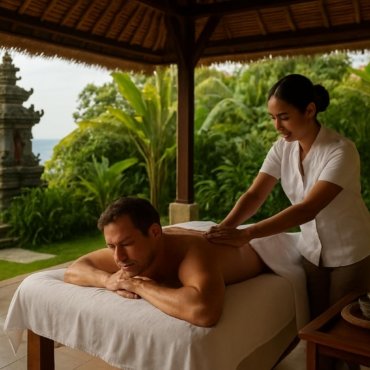
Balinese massage is one of the massage styles most closely associated with Bali and Indonesia. While methods vary among spas and therapists, it is generally known for combining long, flowing strokes with kneading, palm pressure, thumb pressure and gentle stretching.
It is often an adaptable option for visitors who want more than a purely light relaxation massage but do not necessarily want an intensely sports-focused treatment. A Balinese massage may move steadily across the body while allowing additional attention where you request it, such as the neck after a flight, the calves after sightseeing, or the shoulders after working on a laptop while travelling.
What does a Balinese massage feel like?
Compared with hot stone massage, Balinese massage usually has more changes in movement and pressure. The therapist may use hands, palms, thumbs and forearms, depending on the style and your requested pressure.
The experience can range from light and relaxing to reasonably firm. It is worth remembering that terms such as “medium” and “strong” can mean different things to different people. A brief conversation before your session is the simplest way to get a treatment that feels right. First-time visitors may also find this guide to Balinese massage in Seminyak useful.
Who may enjoy Balinese massage most?
Many visitors choose Balinese massage when they:
- Want a classic Bali spa experience.
- Enjoy hands-on massage techniques and changing movements.
- Would like pressure tailored to their comfort.
- Have spent the day exploring, shopping or relaxing at the beach and want a full-body reset.
- Are new to massage and want a familiar, flexible starting point.
Hot stone vs Balinese massage: how to choose
Use this massage comparison as a practical decision guide before booking.
Choose hot stone massage if warmth is your priority
A hot stone massage is often the better choice when you are drawn to the feeling of heat itself. The warmth is not just an extra detail; it shapes the pace and character of the session. It may feel especially appealing on a quieter holiday day when you want to slow down rather than choose a more active massage style.
It can also suit people who find direct, concentrated massage pressure uncomfortable but still want a treatment that feels substantial and nurturing.
Choose Balinese massage if you want variety and customisation
Balinese massage is often the easier option if you are unsure about your preferred pressure or want the therapist to focus on particular areas. Its combination of long strokes, kneading and pressure work can feel more varied from one part of the body to the next.
For a first spa visit in Bali, a Balinese massage may be a useful introduction because you can ask for light, medium or firmer pressure and explain what feels good as the session progresses.
Consider your energy level and travel plans
Think about what comes before and after your treatment. If you have just checked in to Seminyak after a late flight, the slow warmth of hot stones may sound ideal. If you have been active all day and want a classic massage before dinner in Petitenget or Seminyak, Balinese massage may better match your mood.
Neither choice needs to be permanent. Visitors staying in Bali for several days sometimes choose different styles on separate occasions: a Balinese massage earlier in the trip and a warming stone session when they have more time to unwind.
Key differences at a glance
| Feature | Hot stone massage | Balinese massage |
|---|---|---|
| Main sensation | Steady, comforting warmth | Flowing hands-on massage with varied pressure |
| Primary tools | Heated smooth stones and hands | Hands, palms, thumbs and sometimes forearms |
| Pace | Often slower and more meditative | Often more dynamic and rhythmic |
| Pressure style | Broad, warming contact; can be adjusted | Usually easier to focus on selected areas |
| Ideal for | Travellers seeking warmth and calm | Travellers seeking a traditional Bali massage experience |
Practical tips before booking a massage in Seminyak
A little preparation can make your treatment more comfortable, whichever style you choose. You can also review this advice on choosing a massage in Seminyak before making a reservation.
Share useful information before the session
Let the spa know about any allergies, skin sensitivities, recent injuries, pregnancy, health concerns or areas that are especially tender. This is particularly important with heated-stone treatments because heat may not be suitable for everyone. If you have a medical condition or are unsure whether massage is appropriate, seek advice from a qualified healthcare professional before booking.
Speak up about pressure and temperature
You do not need to tolerate discomfort to have a worthwhile massage. Ask for lighter pressure if needed, and tell the therapist immediately if stones feel too hot. Clear feedback helps create a more enjoyable experience.
Plan around sun and activity
After a long day under the Bali sun, your skin may be sensitive. Consider a gentler treatment if you are sunburnt, and avoid massage over irritated skin. If you have a surf lesson, gym session or beach plan, many travellers prefer to schedule their spa time afterwards rather than rush away immediately.
Allow time to relax afterwards
Try not to book a massage in the final few minutes before a reservation or airport transfer. Giving yourself a little breathing room afterwards can make the treatment feel like part of the holiday rather than another item on the itinerary.
Choosing a treatment at BALI gift SPA
For visitors staying in Seminyak, BALI gift SPA is located on Jl. Lebak Sari, a convenient area for guests spending time around Seminyak and Petitenget. When considering a treatment, it is sensible to check the current treatment menu and ask the spa team which massage style best matches your preferred pressure, comfort with heat and available time.
If you are interested in a hot stone experience, ask about the current warm stone massage option and how the treatment is structured. If a traditional Bali-style massage is more appealing, explain whether you want a lighter relaxing session or more attention to particular areas. Travellers planning a longer spa visit can also review the current spa package options to see whether they suit their schedule.
BALI gift SPA is open daily from 10:00 to 21:00, which can be useful when fitting a treatment around beach time, a late lunch or an evening in Seminyak.
FAQ: hot stone massage and Balinese massage
Is hot stone massage better than Balinese massage?
Neither is automatically better. Hot stone massage is usually preferable for people who love warmth and a slower, deeply calming pace. Balinese massage is often preferable for people who want more varied hands-on techniques and adjustable pressure.
Is a hot stone massage painful?
It should not be painful. The stones should feel comfortably warm, not uncomfortably hot, and the pressure should be adjusted to your preference. Tell the therapist immediately if anything feels too hot or too strong.
Can I ask for light pressure in a Balinese massage?
Yes. Balinese massage can often be adapted for lighter, medium or firmer pressure. Mention your preference before the treatment begins and give feedback during the session if you would like an adjustment.
Which massage is better after a flight to Bali?
It depends on what you find most relaxing. A hot stone massage can feel comforting if you are tired and want warmth, while a Balinese massage may suit you if your neck, shoulders or legs feel stiff from sitting and you want more focused massage work.
Should I choose hot stone massage after sunbathing?
Avoid heated treatments on sunburnt or irritated skin. If your skin is sensitive after a day at Seminyak Beach, tell the spa before booking so they can advise on a more comfortable option.
The bottom line
For the clearest hot stone vs Balinese massage decision, choose hot stone massage for warmth, stillness and a gentle sense of comfort. Choose Balinese massage for a more traditional Bali massage experience with flowing techniques and pressure that can be tailored to you.
Both can be a welcome pause in a Bali itinerary. The most satisfying choice is the one that suits how you feel that day, whether you are ready for a peaceful warm stone massage or a restorative Balinese-style session in Seminyak.
Add Comment