
Quick answer: tell your massage therapist what pressure you prefer before the treatment starts, then speak up as soon as the pressure feels too light, too strong or uncomfortable. Simple phrases such as “a little softer, please”, “medium pressure is good”, or “more pressure on my shoulders, please” are clear and polite. You do not need to wait until the end of the massage to say something.
Good massage pressure communication makes a real difference to how relaxed and comfortable you feel. It is especially useful while travelling, when a long flight, a day at Seminyak Beach, surfing, walking, or simply carrying luggage may leave different parts of your body feeling tired.
At a spa in Bali, therapists are used to welcoming international visitors with different comfort levels and massage preferences. A few clear words, a gesture and honest feedback are usually all that is needed to help shape the treatment around you.
What massage pressure means and what to expect
Massage pressure refers to how firmly the therapist works on your muscles and soft tissue. People often describe it as light, medium or firm, but these words are personal. One guest’s medium pressure can feel quite strong to another.
Pressure can also vary during the same treatment. Broad, flowing strokes may feel gentle, while focused work around the shoulders, calves, feet or upper back may naturally feel more intense. Your therapist may adjust their technique depending on the area being massaged and the style of treatment you choose.
The right level should feel purposeful but manageable. You may notice a pleasant sense of release in tight areas, but you should not feel that you have to hold your breath, tense your shoulders, clench your hands or endure sharp pain. Massage is not a test of toughness.
If you are trying a Balinese-inspired massage for the first time, it is sensible to begin with medium or medium-light pressure. You can always ask for more pressure later. Starting too firmly can be harder to correct once your body has become uncomfortable.
How to choose the pressure that suits you
Light pressure
Light pressure uses gentler touch and is often a comfortable choice if you are new to massage, feeling tired after travel, sensitive to firm touch, or mainly hoping to unwind. It can also suit guests who simply prefer a calmer, less intense experience.
You might say: “I would like light pressure, please” or “Gentle pressure would be more comfortable for me.”
Medium pressure
Medium pressure is a useful starting point for many visitors because it provides noticeable massage without being overly forceful. It may suit you after sightseeing around Seminyak, a day by the pool, or general travel fatigue when you want to feel relaxed but still prefer some focused work.
Try: “Medium pressure, please. I will let you know if I need an adjustment.”
Firm pressure
Firm pressure feels more intense and may appeal to people who regularly receive massage or prefer stronger work on areas that feel tight. However, firm does not mean painful. Ask the therapist to ease off immediately if it crosses your comfort threshold.
You could say: “I generally like firm pressure, especially on my shoulders and upper back, but please keep it comfortable.”
Different pressure in different areas
Many people do not want one pressure everywhere. Your shoulders may feel tight after a flight, while your legs or lower back may be more sensitive. It is completely normal to request a different approach for different areas.
- “More pressure on my shoulders, please.”
- “Please be gentler on my lower back.”
- “My calves are sensitive today.”
- “Could you spend a little more time on my feet?”
- “Please avoid this area.”
Specific guidance is more useful than trying to tolerate a treatment that does not feel right.
Massage pressure communication: what to say before you begin
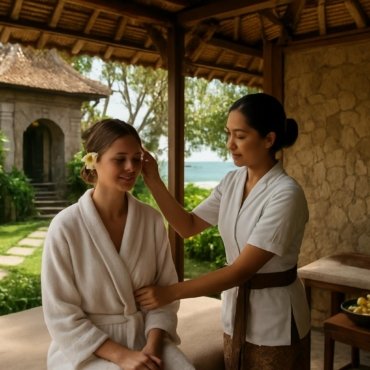
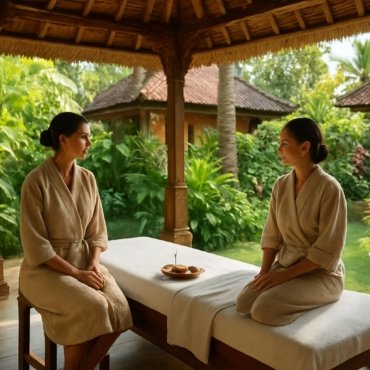
The consultation before a massage is the easiest time to share your preferences. Even if the therapist asks only a brief question about pressure, give a slightly fuller answer when needed. This helps establish expectations before you are on the treatment bed.
Useful information to mention includes:
- Your preferred pressure: light, medium or firm.
- Areas where you would welcome more attention, such as shoulders, neck, feet or calves.
- Areas that are sensitive or that you would prefer the therapist to avoid.
- Any recent discomfort, injury, surgery, skin irritation, allergy or health concern that could affect your comfort.
- Whether you are pregnant or have been advised to avoid massage, in which case seek appropriate medical guidance before booking.
You do not need to provide a long explanation. A simple sentence is enough: “Medium pressure overall, please, but gentle around my lower back.”
Be direct rather than apologetic. Your preferences are useful information, not a complaint. Good spa communication Bali visitors can use is calm, specific and timely.
Helpful phrases to use during a massage
It is best to speak up at the moment you notice a problem. Asking for an adjustment early gives the therapist the chance to change pressure or technique straight away.
If the pressure is too strong
- “A little softer, please.”
- “That is a bit too much pressure for me.”
- “Could you use less pressure there?”
- “Please be gentler on this side.”
- “Could you avoid that spot?”
If you would like more pressure
- “A little more pressure, please.”
- “Could you work a little deeper on my shoulders?”
- “More pressure on my calves would be great.”
- “The pressure is good, but a little firmer there, please.”
If the pressure is just right
- “That pressure is perfect, thank you.”
- “Medium pressure is very comfortable.”
- “That feels good.”
Short phrases are ideal. They are easy to understand, and they do not interrupt the relaxing atmosphere for long.
Use simple signals if you prefer not to talk much
Talking during a massage is not always necessary, but a verbal request is usually the clearest option. If language feels like a barrier, pair simple English with an easy gesture. For example, lightly raise your hand, point to the area, then say “softer” or “more pressure”.
You can also agree on a signal before the treatment begins. Ask: “If I need less pressure, may I raise my hand?” This can make it easier to respond naturally during a quiet treatment.
Non-verbal signs can be misunderstood, so do not rely on grimacing, tensing up or hoping the therapist notices. A brief request is kinder to yourself and clearer for the therapist.
Practical tips for a more comfortable spa experience in Bali
Start lighter if you are unsure
When you are unsure of your ideal pressure, begin with light-to-medium or medium pressure. Ask the therapist to increase it gradually if needed. This approach is particularly helpful after a long-haul flight, when you may feel more sensitive than usual.
Do not confuse pain with effectiveness
Some focused massage work can feel intense, but sharp, burning, numb or alarming sensations are not something to push through. Tell the therapist promptly if a sensation is unpleasant. A comfortable massage can still feel deeply satisfying without leaving you braced against the pressure.
Give feedback more than once
Your needs can change as the treatment progresses. A pressure that feels comfortable on the back may feel too strong on the arms or legs. Likewise, you may feel ready for a little more pressure after your body has relaxed. Check in whenever needed.
Be clear about sensitive areas
Let the therapist know about sun-sensitive skin after time outdoors, a sore spot from exercise, or an area you do not want massaged. Bali’s warm weather and beach days can make skin feel more sensitive, so it is worth mentioning recent sun exposure before your treatment.
Remember that relaxation is personal
Some travellers enjoy a quiet massage with minimal conversation. Others feel more at ease with occasional check-ins. Both are reasonable massage preferences. You can say, “I would like a quiet treatment, but I will speak up if I need a pressure change,” or “Please check the pressure with me occasionally.”
Choosing a treatment with your preferences in mind
The treatment style you choose can influence how pressure is applied. A traditional massage, foot-focused treatment, body scrub or longer spa experience may each feel different in pace and technique. Before booking, it is helpful to review the available BALI gift SPA treatments and choose an option that matches the kind of experience you want.
If you are seeking a slower, more restorative spa visit during your time in Seminyak, a spa package may be worth considering. When booking, mention that your priority is gentle relaxation, medium pressure, firmer work on particular areas, or attention to tired feet after exploring Bali.
For visitors staying near Petitenget, Seminyak Beach or elsewhere in the area, sharing these preferences at the beginning can help make a spa appointment feel more personal without making it complicated.
When to pause or avoid a massage
Massage should be adjusted or postponed when it is not appropriate for your current condition. Tell the spa in advance about recent injuries, illness, fever, unexplained swelling, open wounds, skin conditions, severe pain or medical concerns. If you are unsure whether massage is suitable, speak with a qualified healthcare professional first.
During a treatment, ask to stop if you feel unwell, dizzy, numb, sharply painful or simply uncomfortable. Your wellbeing comes first, and you never need to continue a treatment just because it has started.
Why BALI gift SPA may suit travellers who value clear communication
A spa visit can be a pleasant pause between Bali plans, whether you have spent the day shopping in Seminyak, relaxing near the beach or travelling across the island. At BALI gift SPA in Seminyak, setting out your pressure preference and any sensitive areas at the start can help you approach the treatment with confidence.
Browse the treatment options or spa packages before your visit, then use the simple phrases in this guide to explain what feels best for you. Clear, respectful feedback helps create a more comfortable experience from the first few minutes to the end of the session.
Frequently asked questions
Is it rude to ask a massage therapist for less pressure?
No. Asking for less pressure is normal and helpful. Say “a little softer, please” as soon as the massage feels too strong. Therapists need your feedback because comfort levels vary greatly from person to person.
What is the best massage pressure for a first-time visitor?
Medium or medium-light pressure is often a sensible starting point for a first massage. You can ask for more pressure later if you enjoy it. Choose light pressure if you are sensitive, tired from travel or mainly want a gentle relaxation experience.
Should a massage hurt?
A massage can sometimes feel intense in a tight area, but it should not feel sharply painful, frightening or impossible to relax through. Ask the therapist to reduce the pressure, change technique or avoid the area if it feels wrong.
Can I ask for more pressure only on my shoulders or feet?
Yes. Many guests prefer different pressure levels on different areas. You can say, “More pressure on my shoulders, but gentle on my lower back,” or “Please focus a little more on my feet.”
What if I do not know the English words for my massage preferences?
Keep it simple: “soft”, “medium”, “strong”, “more”, “less”, “good” and “stop” are usually enough. Pointing to the relevant area and using a hand gesture can also help. The most important thing is to communicate early and clearly.

Add Comment