
Traditional Balinese massage is a full-body massage style from Bali, Indonesia, known for combining long, flowing strokes with kneading, acupressure, gentle stretching and, in many treatments, aromatic massage oil. It is different from a purely relaxing oil massage because the therapist may use firmer pressure and focused work on areas that feel tight, while still creating an unhurried, calming experience.
For many visitors, a Balinese massage is a welcome way to slow down after a flight, a day around Seminyak Beach, shopping in Petitenget or time spent exploring Bali. The experience can be adapted to your comfort level, so it is important to tell your therapist if you prefer light, medium or firm pressure.
Quick answer: what makes traditional Balinese massage different?
Traditional Balinese massage is distinctive because it brings several techniques together in one treatment. Rather than relying on one repeating movement, it commonly blends broad palm strokes, thumb or finger pressure, kneading, skin rolling, gentle stretches and work along the body’s energy lines or pressure points.
The goal is usually to leave the body feeling both relaxed and refreshed. The pressure can be more purposeful than a light Swedish-style massage, but a good session should not feel overwhelming. Every spa and therapist may have a slightly different approach, so the exact sequence and intensity can vary.
What is traditional Balinese massage?
Balinese massage reflects Bali’s long-standing wellness traditions and influences from neighbouring Asian massage practices. Modern treatments generally use massage oil to help the therapist perform smooth, continuous strokes across the muscles, then combine those strokes with more targeted pressure where appropriate.
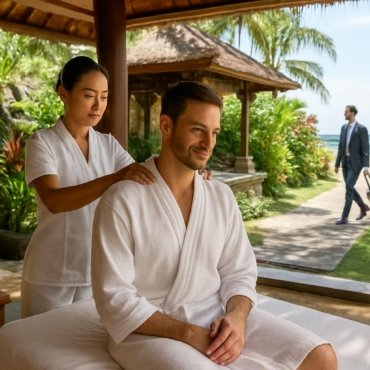
It is usually offered as a whole-body experience. Depending on the treatment and your preferences, attention may be given to the back, shoulders, legs, arms, hands, feet and scalp. Some versions may include a light stretch of the limbs or a focused massage around common tension areas such as the neck and upper back.
Common elements of the Balinese massage technique
Although there is no single identical routine used by every therapist, a traditional Balinese massage technique often includes:
- Long gliding strokes: Broad palm movements warm the muscles and create a smooth, connected rhythm.
- Kneading and compression: These movements work through larger muscle areas, especially the back, shoulders and legs.
- Acupressure-style point work: Thumbs, fingers or palms may apply sustained pressure to selected points.
- Gentle stretching: Carefully guided stretches can help the body feel looser without turning the session into a full assisted-stretch treatment.
- Aromatic oils: Many Balinese-style treatments use fragrant oils, contributing to the sensory and relaxing side of the experience.
- Scalp, hand or foot massage: These areas are often included or given extra attention, depending on the treatment format.
This combination is why Balinese massage can suit travellers who want more than a very light oil massage but do not necessarily want an intense sports massage.
What to expect during a Balinese massage in Bali
Your experience will depend on the spa, the treatment selected and the pressure you request. However, most sessions begin with a brief consultation or opportunity to share your preferences. This is the best time to mention sore areas, recent activities, sensitivity to fragrance or any health consideration that may affect your comfort.
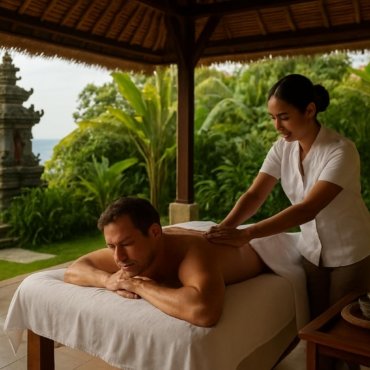
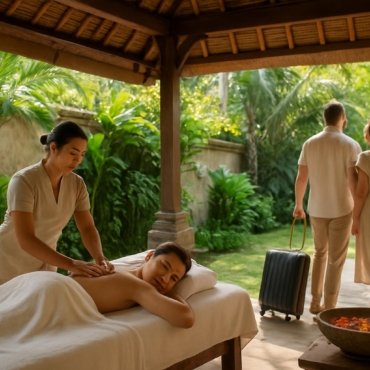
During the massage, the therapist will normally use oil and work through a sequence of broad strokes and more focused techniques. Pressure may move from gentle to firmer, particularly around the shoulders, back, calves or feet. If anything feels too strong, too light or uncomfortable, speak up straight away. Clear feedback helps the therapist adjust the treatment for you.
Is Balinese massage painful?
A Balinese massage can include firm pressure, but it should not feel sharply painful or leave you feeling distressed. Productive pressure is often described as strong but manageable; pain that makes you tense up is a sign to ask for less pressure.
Travel fatigue, long flights, surf sessions, walking and unfamiliar beds can all make muscles feel sensitive. If you have just arrived in Bali or are feeling tired from travel, a lighter pressure may be more enjoyable than the firmest option.
What should you wear?
For an oil massage, spas usually provide appropriate draping and disposable garments where needed. You should always feel properly covered and comfortable. The therapist will uncover only the part of the body being worked on, while the rest remains draped. If you have questions about the process, it is perfectly reasonable to ask before the treatment begins.
Balinese massage benefits: why travellers choose it
The appeal of a Balinese massage is as much about how it feels as the techniques themselves. Many people choose it to unwind, take a break from sightseeing and feel more comfortable after time in transit or on their feet.
Possible Bali massage benefits may include:
- A sense of relaxation and calm after a busy day
- Temporary relief from the feeling of tight or tired muscles
- A soothing pause after flights, driving or long walks
- A chance to disconnect from screens, schedules and sightseeing plans
- A refreshed feeling before dinner, a beach day or the journey home
Massage is not a substitute for medical care. If you have an injury, fever, skin irritation, circulation concern, are pregnant, have recently had surgery or have a health condition that may affect massage, seek appropriate professional advice and tell the spa before booking.
Traditional Balinese massage versus other popular massage styles
Choosing a massage is easier when you understand the general feel of each style. Names and methods can differ between spas, but these broad comparisons can help set expectations.
Balinese massage vs Swedish massage
Swedish massage is often associated with long, gentle-to-medium strokes designed primarily for relaxation. Balinese massage may also use long strokes, but it often adds firmer pressure-point work, deeper kneading and gentle stretches. If you enjoy relaxation with more targeted muscle attention, Balinese massage may be a good fit.
Balinese massage vs deep tissue massage
Deep tissue massage generally focuses more directly on deeper muscle layers and persistent areas of tension. It can be more intense and targeted. Traditional Balinese massage can include firm work, but it is usually a more flowing, whole-body ritual rather than solely a deep-muscle treatment.
Balinese massage vs Thai massage
Traditional Thai massage is commonly performed without oil, with the recipient wearing comfortable clothing. It is known for assisted stretches, joint mobilisation and rhythmic pressure. Balinese massage is more likely to use oil and combines massage strokes with lighter stretching.
Balinese massage vs reflexology
Reflexology focuses on the feet and sometimes the lower legs, using pressure techniques on specific areas. A Balinese full-body massage may include foot work, but it is broader in scope. Foot massage or reflexology can be a practical choice when your feet feel tired after walking around Seminyak, while a full-body massage may suit those wanting a more complete reset.
How to choose the right Balinese massage for your trip
The best choice is not necessarily the firmest or longest treatment. Consider how your body feels, how much time you have and what you want from the experience.
Choose your pressure honestly
Do not feel obliged to choose firm pressure simply because you are in Bali. Light pressure can be deeply relaxing, medium pressure offers a balanced experience for many people, and firm pressure may suit guests who already know they enjoy stronger massage. Tell the therapist if you would like particular attention to your shoulders, lower back, legs or feet.
Consider your day’s plans
A massage can fit easily into a Seminyak itinerary. Some travellers book after arriving at their accommodation, after a morning at Seminyak Beach or before a relaxed evening meal. If you have an active excursion, surfing lesson or long transfer planned, allow yourself enough time afterwards to drink water, move slowly and enjoy the relaxed feeling.
Think about fragrance preferences
Massage oils are part of many Balinese-style treatments. If you are sensitive to scent, have allergies or simply prefer a more neutral option, ask what oils are used and mention your preference before the session begins.
Practical tips before and after your massage
A little preparation can make your spa visit more comfortable.
- Arrive a little early so you are not rushing into the treatment.
- Avoid a very heavy meal immediately before your massage.
- Share any injuries, sensitive areas or relevant health information before the treatment starts.
- Ask for your preferred pressure level, and communicate if it needs adjusting.
- Drink water afterwards and give yourself time to relax.
- Skip massage over sunburned, irritated or broken skin until it has recovered.
In Bali’s warm climate, it can also be sensible to schedule your massage after you have showered off sunscreen, sea water or a day of sightseeing. This can help you settle into the treatment more comfortably.
Considering a massage at BALI gift SPA in Seminyak
If you are staying in Seminyak or nearby Petitenget, BALI gift SPA provides a convenient setting to add a spa break to your Bali itinerary. The spa is located on Jl. Lebak Sari 21, Badung, Seminyak, Bali 80361, and is open daily from 10:00 to 21:00.
When reviewing the available treatments, look for the massage style that matches your needs and ask the team which option is closest to the Balinese experience you have in mind. This is also a helpful time to discuss pressure preferences, areas of tension and whether you would prefer a focused massage or a broader spa package. Travellers planning several treatments may also wish to explore the available Bali spa packages.
A thoughtful massage appointment can be a simple way to make space for rest between beach time, dining, shopping and exploring Bali.
Frequently asked questions about traditional Balinese massage
Is traditional Balinese massage suitable for first-time spa visitors?
Yes, it can be a good introduction to massage because the pressure is often adjustable. Let the therapist know it is your first massage and ask for light or medium pressure if you are unsure. For more practical advice, see this first-timer’s guide to Balinese massage in Seminyak.
How often can you have a Balinese massage while on holiday?
This depends on your comfort, activity level and the intensity of the treatment. Some travellers enjoy more than one massage during a Bali holiday, especially if sessions are gentle or moderate. If you feel sore after a firm massage, allow time to recover before booking another.
Should I get a Balinese massage before or after the beach?
Many people prefer to go after the beach, once they have rinsed off sunscreen and salt water. Avoid massage if you have sunburn, as pressure and oil can make irritated skin feel worse.
Can I request lighter pressure during a Balinese massage?
Absolutely. Pressure preference is personal, and you can request light, medium or firmer pressure. You can also ask the therapist to reduce pressure at any point during the treatment.
What is the difference between Balinese massage and a regular oil massage?
A regular oil massage may focus mainly on smooth relaxation strokes. Traditional Balinese massage typically combines oil massage with kneading, acupressure-style pressure, work on specific muscle areas and occasional gentle stretches, giving it a more varied feel.
Final thought
Traditional Balinese massage is more than a standard holiday massage: it is a versatile style that combines relaxation with purposeful bodywork. For travellers in Seminyak, it can be a calm, practical addition to a Bali itinerary—especially when you communicate clearly about your preferred pressure and what your body needs that day.
Add Comment